Showing posts with label beef. Show all posts

Wednesday, September 11, 2013

It’s What’s for Dinner


By Sarah Correll
Beef isn’t just delicious.

That’s Beyer Beware’s Slow Cooked Balsamic Beef Roast. Recipe here.

It’s also nutritious!


Beef is very versatile.


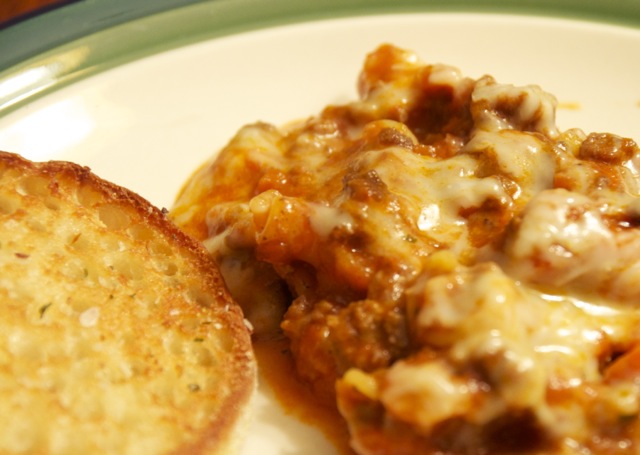
This Speedy Skillet Lasagna, also from Leah at Beyer Beware, is super quick and easy to make!


Heather’s Taco Soup is easy to make and fun to customize!


Marybeth made this delicious BBQ Bacon-Stuffed Meatloaf! 


And the Kelsay family loves this Cowboy Tater Tot Casserole.
More than 89 million beef cattle are in the United States right now.

And they’re being raised by dedicated farm families, just like Marybeth’s!


Friday, August 2, 2013

Beef Up Your Time at the Indiana State Fair

By Sarah Correll

Indiana beef cattle farmers have always had a role in the Indiana State Fair, and this year is no exception! They will be offering their delicious food, and a side of knowledge, at the 2013 fair.


The Indiana Beef Tents are located on both the north and south side of the fairgrounds. Both will be serving all-beef hotdogs (the kids meals come with coloring books, too!), hamburgers, and the famous ribeye sandwiches. Added bonus: the ribeyes are under 290 calories!


At 1:00 each day a beef expert will be teaching us how to make the most of the delicious product in the DuPont Food Pavilion. You can also learn about beef in the Exposition Hall at their booth each day.


We also can’t forget about all the beef producers who will be on the grounds for the fair. 


Watch beef farmers from ages eight to eighty and beyond show their cattle in the various show and have your questions answered!

Thursday, February 14, 2013

What's the Beef?


Beef, and red meat in general, have a reputation for being high fat and unhealthy.  But what if we told you that there are 29 cuts of lean beef that provide iron, protein, heart-healthy B vitamins, and great taste all for an average of 150 calories per serving?


A“lean cut” is a cut of meat that contains less than 10 grams of total fat,4.5 grams or less of saturated fat, and less than 95 milligrams of cholesterol per serving.  That’s only one more gram of saturated fat than a skinless chicken breast, and beef contains much more zinc, iron, and vitamin B12 than its poultry cut counterpart.  Strip steak, filet mignon, t-bone, sirloins, and strip steaks all qualify as lean cuts.  Why not try some of these lean beef recipes today?


Tarragon Steak Dinner Salad from Cris at Goodeness Gracious


Crock Pot Round Steak from Leah at Beyer Beware


If you’re more of a traditional steak person, check out these tips from Beyer Beware on how to grill one perfectly! 

Monday, April 30, 2012

Beef Brisket


Description: http://hollenbeckfarms.com/wp-content/themes/shopperpress/thumbs/brisket.jpg
By Ginny Tauer of Indiana Beef

Ingredients
5 pound beef brisket
6 onions cut into 1/4-inch rings
5 cloves garlic, sliced
1/2 teaspoon crushed pepper
5 tablespoons olive oil
1-teaspoon thyme
1-teaspoon oregano
3 cups beef stock

Cooking Instructions
  1. Sprinkle brisket with salt, pepper, thyme and oregano. In a large heavy skillet heat 3 tablespoons olive oil. Brown brisket about 5 minutes per side. Remove brisket and place in a heavy roasting pan.  Preheat oven to 275.
  2. Add remaining oil to skillet and add onions, garlic and crushed pepper. Sauté until golden over moderate heat stirring occasionally about 20 minutes. Stir in beef stock and bring to a boil.
  3. Pour onion mixture over brisket and cover tightly with foil. Cook for 6 hours checking occasionally and adding more water or stock if necessary.  Transfer brisket to a cutting board cover with foil and let rest.
  4. Discard excess fat from onion mixture and pan drippings . Using an emulsion blender, puree mixture until smooth.  Slice brisket across the grain into 1/4 to 1/2 inch slices and serve with pan sauce.
Servings: Yields 8 to 10 servings

Monday, March 19, 2012

Beef & Green Olive Stew


By Ginny Tauer of Indiana Beef

There are simple, homey stews just for family and fancy stews fit for company. This one's a cut above with cayenne, oregano, fennel seeds, red wine and pimento-stuffed olives for a Mediterranean sophistication.

Description: Beef & Green Olive Stew
Total recipe time: 2 hours  Makes 6 servings
 Ingredients
1.       1-1/2 pounds beef for stew, cut into 1 inch pieces
2.       1/4 cup all-purpose flour
3.       3/4 teaspoon salt
4.       1/2 teaspoon ground black pepper
5.       1/4 teaspoon cayenne pepper
6.       2 tablespoons vegetable oil
7.       1 cup chopped onion
8.       1-1/2 teaspoons dried oregano
9.       1 teaspoon dried fennel seeds
10.    1 cup red wine
11.    1 can (14 to 14-1/2 ounces) ready-to-serve beef broth
12.    1 can (14-1/2 ounces) garlic-seasoned diced tomatoes, undrained
13.    1/4 cup tomato paste
14.    1 jar (7 ounces) green olives with pimentos, drained

Instructions
1.       Combine flour, salt, black pepper and cayenne pepper. Reserve 1 tablespoon flour mixture. Lightly coat beef with remaining flour mixture.
2.       Heat 1 tablespoon oil in stock pot over medium heat. Brown beef in batches; adding additional 1 tablespoon oil as necessary. Set aside.
3.       Add onions, oregano and fennel seeds to stock pot; cook and stir 2 to 3 minutes or until onions begin to soften.
4.       Add wine to pot; increase heat to medium-high. Cook and stir 1 minute or until browned bits attached to pot are dissolved. Stir in beef broth, tomatoes, tomato paste and reserved flour mixture. Return beef to pot; bring to a boil. Reduce heat; cover tightly and simmer 1-3/4 hours or until beef is fork-tender.
5.       Stir in olives. Cook 2 to 3 minutes or until olives are heated through.
6.       Serve with mashed potatoes.

Monday, March 12, 2012

Beefy Sweet Potato Hash


By Ginny Tauer of Indiana Beef

Start the day right with an easy and delicious beef dish. Combine sweet potatoes, onion and taco seasoning in large nonstick skillet over medium heat and add last night's cooked steak or roast (trimmed into small pieces). Whip up a zesty side of sour cream and hot sauce and serve the savory potato hash with a cilantro garnish.
Description: Beefy Sweet Potato Hash

Total recipe time: 35 to 40 minutes  Makes 4 servings

Ingredients
12 ounces cooked beef (such as steak, roast or pot roast), cut into 1/2-inch cubes (about 2-1/2 cups)
1 large sweet potato, unpeeled, cut into 1/2-inch cubes
1 medium yellow onion, chopped
1 tablespoon taco seasoning mix
1/4 cup water
1 tablespoon vegetable oil
2 tablespoons reduced-fat or regular dairy sour cream
1 teaspoon hot pepper sauce
Chopped fresh cilantro

Instructions
1.      Combine sweet potatoes, onion and taco seasoning in large nonstick skillet over medium heat. Add water. Cover and cook 8 to 10 minutes or until crisp-tender and water has almost evaporated, stirring once. Stir in oil; continue cooking, uncovered, 4 to 6 minutes or until potatoes are tender and begin to brown, stirring occasionally.
2.      Meanwhile, combine sour cream and hot sauce in small bowl. Set aside.
3.      Add beef to potato mixture. Continue to cook 5 minutes or until beef is heated through, stirring occasionally, adding 1 to 2 tablespoons water, if needed to avoid sticking.
4.      Garnish with cilantro, as desired. Serve with sour cream mixture

Monday, February 20, 2012

Southwest Beef Pot Roast


By Ginny Tauer of Indiana Beef 
  
Description: http://www.txbeef.org/images/uploaded/Southwest_Pot_Roast_200x200.jpg

Ingredients
·         1 beef bottom round roast (3-4 lbs.)
·         2 tsp. vegetable oil
·         2 tsp. ground cumin
·         1 jar (16 oz.) prepared thick-and-chunky style salsa
·         1/2 tsp. salt
·         1/4 tsp. pepper
·         1 can (15 oz.) black beans, rinsed, drained
·         1 1/2 cups frozen corn, optional          

Instructions
Heat oil in stockpot over medium heat until hot. Press cumin evenly onto all surfaces of roast. Brown roast in hot oil on all sides. Pour off drippings.

Season roast with salt and pepper; add salsa. Bring to a boil. Reduce heat; cover tightly and simmer 2 1/2 to 3 1/4 hours or until roast is fork-tender.

Remove roast from pan; keep warm. Skim fat from cooking liquid. Stir in beans and corn; bring to a boil. Reduce heat and simmer, uncovered, 8 to 10 minutes or until liquid is slightly thickened.

Carve roast into thin slices. Serve with bean mixture.

Wednesday, January 25, 2012

Beef Sticky Buns


Description: Beef Sticky Buns
By Ginny Tauer of Indiana Beef

If you love sweet sticky buns, you'll delight in a savory option for breakfast or brunch. Beef sausage crumbles, mushrooms, onion, spinach and Cheddar cheese are tucked in prepared pizza dough, rolled, sliced and baked to make perfect pinwheels of scrumptious-ness.


Total recipe time: 1 to 1-1/4 hours  Makes 4 servings or 8 sticky buns

Ingredients
1.        1 recipe Basic Country Beef Breakfast Sausage (recipe below)
2.        1 cup sliced button mushrooms
3.        3/4 cup diced onion
4.        3 cups fresh baby spinach
5.        1/2 cup reduced-fat shredded Cheddar cheese
6.        1 package (13.8 ounces) refrigerated pizza dough
7.        1/2 cup jalapeño pepper jelly, warmed (optional) or Cream Cheese "Frosting" (optional, recipe below )

Instructions
1.        Prepare Basic Country Beef Breakfast Sausage. Set aside 2 cups beef in large bowl; reserve remaining beef for another use. Add onion and mushrooms to same skillet sprayed with cooking spray over medium heat; cook 5 to 7 minutes or until vegetables are tender, stirring occasionally. Add spinach to skillet; stir to wilt spinach. Add vegetable mixture to beef; set aside 20 to 25 minutes or until mixture is cooled completely, stirring occasionally. Stir in cheese.
2.        Preheat oven to 425°F. Unroll pizza dough on flat surface; pat or roll dough evenly to 14 x 10-inch rectangle, pinching together any tears, if necessary. Spread beef mixture on dough, leaving 1/2 inch border on short side furthest from you. Starting at closest short end, roll up jelly-roll style, pinching to close. Slice dough into 8 pieces using serrated knife and careful sawing motion; place cut-side-up on greased baking sheet.
3.        Bake in 425°F oven 18 to 20 minutes or until golden brown. Remove buns to cooling rack. While still warm, drizzle with melted jalapeño pepper jelly, if desired.

Basic Country Beef Breakfast Sausage: Combine 1 pound ground beef (96% lean), 2 teaspoons chopped fresh sage or 1/2 teaspoon rubbed sage, 1 teaspoon garlic powder, 1 teaspoon onion powder, 1/2 teaspoon salt and 1/4 to 1/2 teaspoon crushed red pepper in large bowl, mixing lightly but thoroughly. Heat large nonstick skillet over medium high heat until hot. Add beef mixture; cook 8 to 10 minutes, breaking into 1/2-inch crumbles and stirring occasionally. (Cooking times are for fresh or thoroughly thawed ground beef. Ground beef should be cooked to an internal temperature of 160°F. Color is not a reliable indicator of ground beef doneness.) Makes 2-1/2 cups crumbles

Cream Cheese "Frosting": Combine 1/4 cup softened reduced-fat cream cheese and 1 tablespoon milk in small bowl, stirring until smooth. Drizzle over warmed beef buns.

Friday, January 20, 2012

Beef, Bean and Spinach Ragout


Description: Beef, Bean and Spinach Ragout
By Ginny Tauer of Indiana Beef

Six ingredients are all it takes to make this belly-warming one-dish meal. Brown Beef for Stew to develop rich color and flavor. Stir in white beans, Italian-style diced tomatoes and Swiss chard. Simmer until beef is fork-tender. Finish this pippin' hot dish with a topping of Parmesan cheese.

Beef, Bean and Spinach Ragout
Total recipe time: 2 to 2-1/2 hours  
Makes 4 to 6 servings

Ingredients
1.       2 pounds beef for stew, cut into 1-inch pieces
2.       1 tablespoon vegetable oil
3.       1 can (15 ounces) Great Northern beans, undrained
4.       1 can (14-1/2 ounces) Italian-style diced tomatoes, undrained
5.       1 pound Swiss chard, cut lengthwise in half, then crosswise into 1-inch pieces (about 10 cups)
6.       2 tablespoons shredded Parmesan cheese

Instructions
1.       Heat oil in large stockpot over medium heat until hot. Brown 1/2 of beef; remove from stockpot. Repeat with remaining beef. Season with salt, as desired.
2.       Pour off drippings; return beef to stockpot. Add beans and tomatoes; bring to a boil. Reduce heat; cover tightly and simmer 1-1/4 hours. Stir in Swiss chard; return to a boil. Reduce heat; continue simmering, covered, 30 to 60 minutes or until beef is fork-tender.
3.       Season with salt and pepper, as desired. Sprinkle with cheese.

Wednesday, January 4, 2012

Wild Mushroom Beef Stew


By Ginny Tauer of Indiana Beef

With most of the country preparing for a cold winter, it's time to look forward to recipes that warm you up from the inside out. While grilling is off the menu for a few months for some people, there are many cooking methods and cuts you can use to make delicious cold-weather meals and bring warmth into your home. 

Wild Mushroom Beef Stew

Description: Wild Mushroom Beef Stew

Total recipe time: High Setting: 6-1/2 hours; Low Setting: 9-1/2 hours  Makes 6 servings

Ingredients
1.        2 pounds beef for stew, cut into 1-inch pieces
2.        1/4 cup all-purpose flour
3.        1 teaspoon salt
4.        1/2 teaspoon pepper
5.        1/2 teaspoon dried thyme leaves, crushed
6.        3/4 cup ready-to-serve beef broth
7.        1/4 cup tomato paste
8.        1/4 cup dry red wine
9.        2 cloves garlic, minced
10.     1 pound red-skinned potatoes (1-1/2-inch diameter), cut into quarters
11.     8 ounces assorted mushrooms, such as shiitake, cremini and oyster, cut into quarters
12.     1 cup baby carrots
13.     Fresh parsley (optional)

Instructions
1.        Combine flour, salt, pepper and thyme in small bowl. Place beef in 4-1/2 to 5-1/2-quart slow cooker. Sprinkle with flour mixture; toss to coat.
2.        Combine broth, tomato paste, wine and garlic in small bowl; mix well. Add to beef. Add potatoes, mushrooms and carrots; mix well.
3.        Cover and cook on HIGH 5 to 6 hours, or on LOW 8 to 9 hours, or until beef and vegetables are tender. (No stirring is necessary during cooking.) Stir well before serving. Garnish with parsley, if desired.

Wednesday, November 23, 2011

Create A Holiday Roast Tradition!

By Joe Moore of Indiana Beef Cattle Association - Indiana Beef Council

As we turn toward the November/December holidays, with all their sparkle and magic, what could be more fitting for a company dinner, traditional family get-together or holiday party than some of the finest beef cuts available -- Beef Rib Roast and Beef Tenderloin - roasted to perfection.  

Prime Rib or Standing Rib?  A colloquial and popular term for this cut is "prime rib". Historically, this name stands out regardless of the grade. In addition, the USDA acknowledges this historical note by not requiring the cut "to be derived from USDA prime grade beef". The technical name, per URMIS (Uniform Retail Meat Industry Standards), is "Beef Rib Roast".  Prime rib used to refer to a USDA prime grade standing rib roast, but these days all rib roasts (and some rib steaks) are called prime rib regardless of the USDA grade they received.  A beef rib roast is a cut of beef from the rib section, which is one of the four beef primals.  The entire rib section comprises ribs six through twelve of the animal; a standing rib roast can comprise anywhere from two to all seven ribs. The term "standing" means that because the bones are included in the roast, the roast can stand by itself. A rib roast with the bones removed is commonly referred to as a rolled rib roast or boneless rib roast.  


Each rib feeds about two people, so if you have a party of eight, buy and cook a four rib roast. The rib roast closest to the loin is leaner and more tender than the rib roast nearest the chuck. This end is referred to as the small end rib roast. The chuck end of the rib roast will have a smaller ribeye and contain more fat.   This roast is sometimes referred to as a large end rib roast.

The rib roast cut is so good that it doesn't need a lot of preparation.  The cooking process is also quite simplistic for an entree with such a grand reputation. In fact, this dish is easier to prepare than any other special event food such as turkey or duck. Take the rib roast out of the refrigerator and let it sit on the counter for a couple hours to raise the roast temperature to near room temperature. Preheat your oven to 500°F, or the highest it will go. Generously sprinkle salt and pepper all over the roast.

Insert a meat thermometer into the center of the roast, making sure it doesn't touch a bone. Place the roast rib bones down in a roasting pan in the oven.

After 15 minutes on 500°F, reduce the heat to 325°F. To figure the total cooking time, allow about 13-15 minutes per pound for rare and 17-20 minutes per pound for medium rare. The actual cooking time will depend on the shape of the roast and your particular oven. Use a meat thermometer, this is not a roast to "wing it". 

Roast in oven until thermometer registers 120°F. for rare or 135°F. for medium. Now deglaze the pan by pouring in 1 cup beef broth and bring to a boil. After you've scraped off the bottom of your pan and mixed it into the jus, season with salt and pepper and strain.

Beef tenderloin is the cut of meat taken from the beef loin primal. Since it is the center of tenderness, it is one of the most popular cuts and one of the most expensive cuts as well. Whole untrimmed tenderloin can weigh in around 7-8 pounds and cost as much as $100 or more. If you got the same amount of meat cut into steaks it can cost even more. As tenderloin is easy to trim, purchasing a whole PSMO (peeled, side muscle on) in the bag will save a considerable amount of money. Many retailers will trim it for free.


To trim beef tenderloin start by removing the silvery skin. This cooks up very tough and makes dealing with the tenderloin difficult. Try using a paper towel to get a good hold on the skin while you use a knife to lift it away from the meat. Then remove any excess fat that might be hanging loose. 

A beef tenderloin usually has one large end and one small end. For even cooking, tuck the small tail end under when you tie the meat so that the tenderloin has the same thickness throughout.. With such a terrific cut of beef, the simpler done the better. Try a little black pepper, garlic and maybe a very light coating of olive oil. Anything more will simply detract from the flavor of the meat.  The following instructions for Beef Tenderloin, which calls for the tiniest hint of garlic and black pepper, would work very well.  Allow the roast to raise to room temperature for an hour or so before cooking.  When ready to roast, preheat the oven to 500°F.  Rub the tenderloin all over with olive oil, a cut clove of garlic and freshly cracked black pepper. 

Place the meat in a roasting pan, insert a meat thermometer into the thickest portion of the tenderloin and place the pan in the oven. Immediately turn the heat down to 225 °F. If you think your tenderloin is thin, start checking the temperature on the meat thermometer after 1/2 hour; if you have normal sized tenderloin, start checking after 45 or 50 minutes. The thermometer should read 120°F for rare doneness. When the meat has reached the desired temperature, remove from the oven and let it stand for 5 minutes before slicing.

Friday, March 4, 2011

Raising Kids on the Farm


I heard one time that teaching children work ethic has changed: It used to be that kids were interwoven in the fabric of our work, they saw their parents work and often were required to participate – whether on the farm, running a store, at the mill etc.  – kids were more exposed to the hard work and effort that it takes to support a thriving family. 

Now don’t get me wrong – I have no desire to go back to the 1900’s – I am all about technology but I do see the value in this point and feel truly blessed to live on a farm where our kids see and participate in our work. Our kids are a part of our livelihood – our jobs are truly a family lifestyle – they witness everyday our work ethic – they live it!  As my Father-In-Law says “Your work is your signature, sign it with pride” and I feel our kids witness this everyday on the farm.


I love the fact that my kids can:  artificially inseminate sows, halter break a calf, assist a cow giving birth, drive tractors.  They have seen a piglet take its first breath climbing over the back leg of a sow knowing instinctively where to go to nurse.  They know how to walk out in a field and look to see if a seed has germinated.   They help wean pigs every 5 weeks and are in charge of feeding and bedding the cows every day. Participating shoulder to shoulder with us and each other, they have learned responsibility and the advantage to cooperation. Our hope is that they learn the value of hard work, experiencing the satisfaction that it brings, and that work isn’t just something to get over with so you can move on to fun, but is something that can be rewarding as well. We feel instilling these qualities will pay dividends down the road, as well as right now, evidenced by their consistent appearance on the honor roll and their leadership roles in 4-H and FFA.


***


***


***


Now just for the record our lives are not a Norman Rockwell painting everyday!  I can remember before Chris installed the automatic waterer for the kids' show calves, it was their job everyday to make sure the water trough was full – it didn’t always get done. To prove my point of how important it was that the cattle have water at all times the kids' punishment was to go without water (drinks) for 24 hours to see how it felt!  Now before anyone calls CPS – they were in school and I had no direct control over their thirst there and am pretty sure that they did not adhere 100% to my punishment but they did learn and needless to say the water trough was full every day until the automatic waterer was installed.  This was also the year I sat our oldest down to fill out her 4-H beef paperwork and when she got to the question:

List 3 things you learned this year:

  1. Animals need water and when they don’t get it, it makes my Mom very mad!

I had to laugh – definitely LESSON LEARNED!

During our busiest times of year (planting and harvest) if I am working in the field  we often don’t eat supper until 9pm – this makes for grumpy kids sometimes and well quite frankly makes for a grumpy Mom too!  The kids do homework in a tractor, combine, semi or grain office – not the most conducive to book learning but we make due.  Then there are the days between school and extracurricular activities the only time they see their Dad is to catch a quick ride with him – but this is definitely one-on-one time!  A true blessing on a multi-generational farm like ours is knowing that we all work together, if  I am working, my mother in-law is always willing to run kids around, help with homework, and feed the hungry.

All in all the good times and laughter far outweigh the bad – and when the not so good come along we all definitely know how to pitch in, stick together and wade thru the manure (figuratively and literally) as a family.

I am so proud to be raising the 7th generation to farm this same land if they choose to do so.  Chris and I both grew up on farms and know the importance of agriculture and instilling that in our kids.  We want them to know that if they want, we would love to have them be a part of something we love so much, but also know that if they choose to go a different direction in their life we are behind them 100% .  But never forget where you came from and the importance that agriculture has in every single person’s life everyday!


Wednesday, March 2, 2011

Wordless Wednesday: Moo


The winner of our Healthy Beef Cookbook Prize Pack is...


Facebook Fan Carol Nine! Email us at indianafarmers@gmail.com and let us know where to mail your prize! 

Monday, February 28, 2011

What's Cooking in Your Kitchen?

This week we are giving away a great Healthy Beef Cookbook Prize Pack!


Want to enter to win? Just leave a comment here or on our Facebook Fan Page and let us know the name (or link to) your go-to healthy beef recipe.

Winner will be announced on Wednesday morning.